
Fun Water Games for Kids That Encourage Learning and Creativity
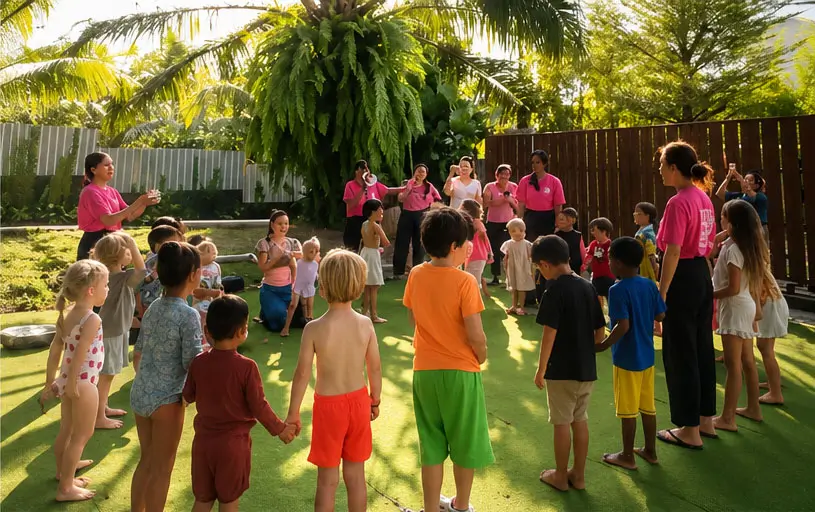
For many kids, water play feels almost magical. A bucket of water, a few cups, and some open space can quickly turn into an exciting world of splashing, movement, imagination, and discovery.
But water games are not only about keeping kids entertained. They also support learning in ways that feel natural, active, and fun. Through splashing, pouring, running, and experimenting, kids develop important physical, social, and creative skills without even realizing they are learning.
That is what makes water play so valuable during childhood.
Why Kids Naturally Love Water Play
Kids are naturally curious about how things work, and water constantly changes shape, movement, and direction. This makes it exciting to explore.
Some children enjoy splashing and running through water, while others become deeply focused on pouring, scooping, or creating little experiments. Water play allows kids to move freely while engaging multiple senses at the same time.
Water activities often help kids:
- stay active outdoors
- cool down during warm weather
- explore textures and movement
- practice coordination and balance
- express creativity through play
Because there is no single “correct” way to play with water, kids feel free to experiment and explore at their own pace.
How Water Games Support Learning
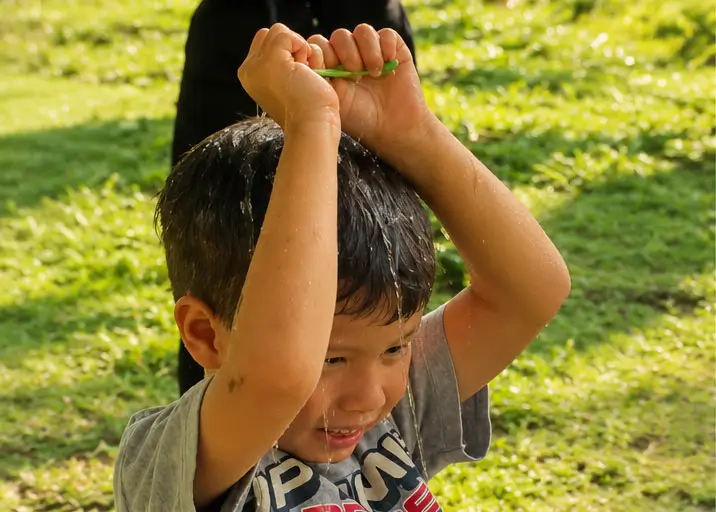
Water play may look simple from the outside, but many important learning experiences are happening underneath all the excitement.
Easy Water Games Kids Enjoy
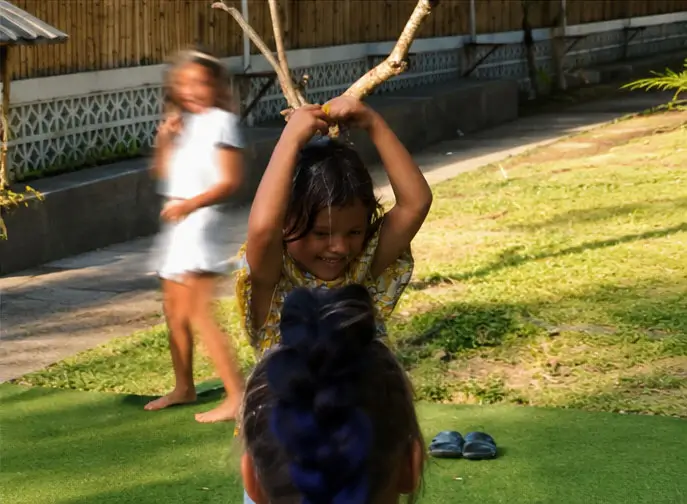
Water activities do not need to be complicated to feel exciting. Sometimes the simplest games become the most memorable.
Popular water play ideas include:
| Water Activity | What Kids Learn |
| Pouring stations | Coordination and focus Kids learn to control their movements while pouring water carefully between containers |
| Sponge races | Teamwork and movement Kids stay active while learning how to work together and cooperate naturally |
| Water bucket challenges | Problem solving Kids think creatively to move water quickly without spilling too much |
| Splash zones | Active physical play Running, jumping, and splashing help build confidence and body movement |
| Floating object games | Observation and experimentation Children discover how different objects behave in water through simple experiments |
| Water painting | Creativity and imagination Kids express ideas freely by painting and creating with water outdoors |
The goal is not perfection. The goal is exploration, movement, and fun.
What Makes Outdoor Water Play Special
Outdoor spaces make water play feel even more exciting. Kids can run more freely, interact with nature, and enjoy larger areas to splash, explore, and experiment.
Outdoor water play also encourages:
- physical movement
- fresh air and outdoor connection
- confidence building
- independent exploration
- active learning through experience
For many kids, outdoor sensory play becomes one of the highlights of their week.
Simple Things Parents Should Bring
Water play usually means one thing: kids are going to get wet.
A little preparation helps children enjoy the experience more comfortably and confidently.
- a towel
- dry clothes
- sandals or water friendly shoes
- sunscreen for outdoor activities
- a water bottle to stay hydrated
Being prepared allows kids to fully enjoy the experience without worrying about getting messy.
Learning Through Play Feels Natural
One of the best things about water games is that kids learn without pressure. There are no tests, instructions, or expectations to “get it right.”
Instead, kids build confidence through exploration, movement, curiosity, and creativity.
The laughter, splashing, teamwork, and imagination all become part of the learning process.
Make a Splash Every Friday at Parklife
At Parklife Bali, Water Play happens every Friday at 4PM. Kids can splash, pour, run, and cool off while enjoying active outdoor play in a fun and welcoming environment.
Expect wet clothes and big smiles.
(Bring a change of clothes and a towel.)
All included with entry fee.
Our team helps facilitate the activities, while children remain under the supervision of their parents or guardians.